Leverage your Whole Brain for more energy, productivity, relationships and greater influence.
Understand your thinking preferences and discover how they influence the way you communicate, make decisions, solve problems, collaborate and work at your best.
Take a closer look at how you think.
The HBDI® identifies your preferred ways of thinking and under pressure thinking, across four distinct thinking preferences.
It gives you a practical language for understanding how you approach information, decisions, problems, people and possibilities, and how your preferences can influence the way you work with others.
HBDI® is preference-based. There is no ideal profile, no right or wrong profile, and no single way of thinking that makes someone more effective.
Four thinking preferences.
One whole brain.
Everyone has access to all four thinking preferences. The HBDI® reveals the preferences you tend to use most, giving you a way to understand your thinking and recognise different ways of approaching the same situation. It also helps you to understand how you think under pressure.
Analytical
Logical, analytical, quantitative and fact-based thinking.
Practical
Planning, organising, attention to detail.
Relational
Feelings interpersonal and emotional thinking.
Experimental
Intuitive, creative, future-oriented thinking.
The goal is to recognise how you make decisions, communication, problem solve and think. See your Blind Spots and Under Pressure Thinking.
Whole Brain® Thinking is about understanding your preferences, recognising the preferences of others and being able to be agile. It helps you to build better relationships, predict your own blind spots, organise, influence, negotiate, lead, coach or sell.
See the preferences behind the way you think.
The HBDI® is a 116-question diagnostic survey designed to identify your thinking preferences.
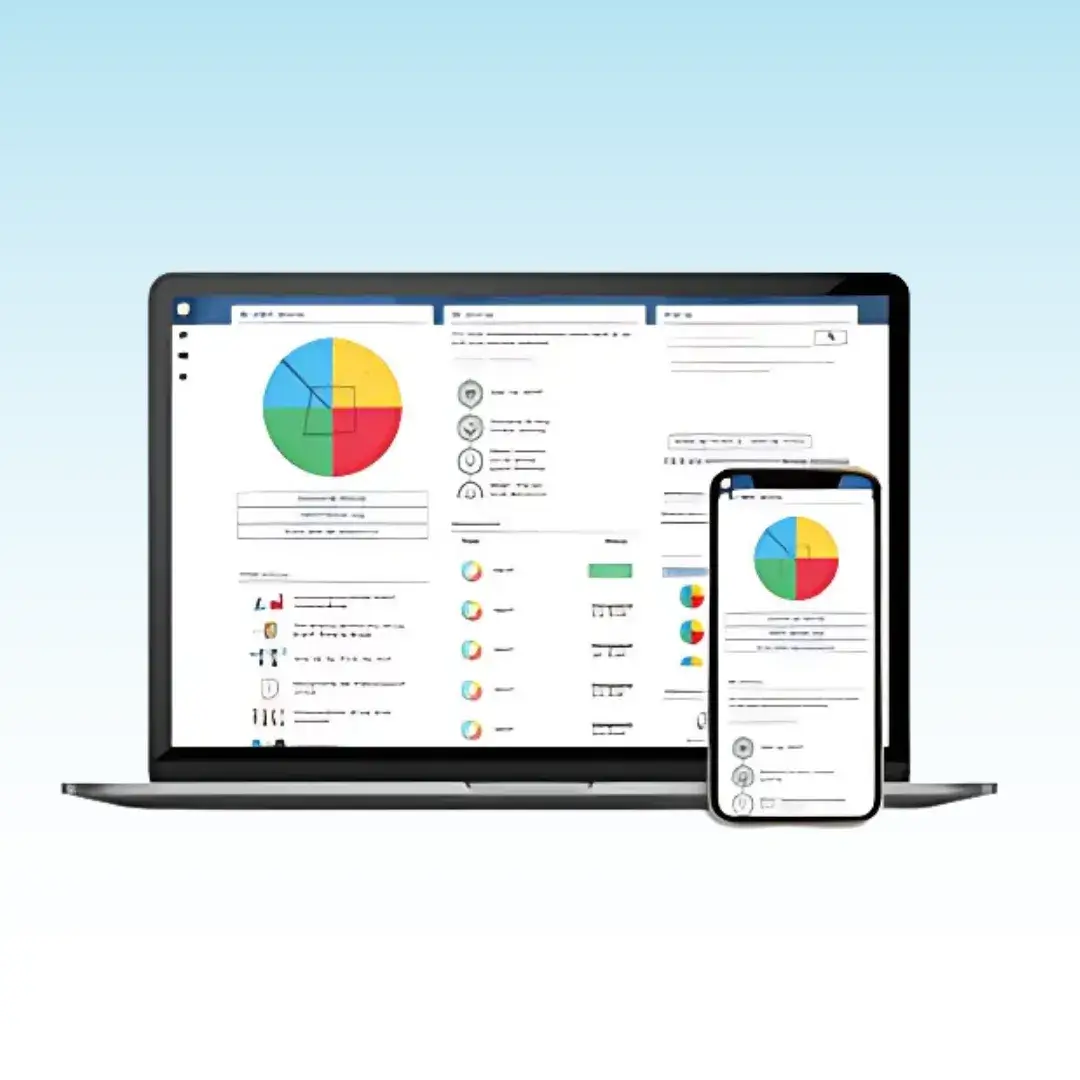
Your profile gives you a visual representation of your preferences and a practical framework for understanding how you approach different situations.
Thinking preferences have practical implications.
Individuals
Build greater understanding of your own thinking preferences and the ways you approach work, decisions and challenges.
Leaders
Understand your own preferences, under pressure decisions. See how your team think, process and communicate. Adapt your coaching, recruiting or management to accelerate decisions, improve culture and build leaders.
Teams
Understand each other. Create a shared language for collaboration, meetings, sales, marketing, operations, problem-solving and performance.
Communication
Understand why the same message can be received differently and adapt communication for different thinking preferences.
Decision-making
Use analytical, practical, relational and creative thinking processes to save time, leverage energy and increase sales.
Innovation
Use cognitive diversity to explore possibilities, challenge assumptions and generate different approaches to problems.
Coaching
Give people a practical framework for exploring their thinking preferences, patterns and approaches to development.
Organisations
Apply a common language for thinking across leadership, coaching, sales, marketing, wellness, communication, teams and organisational development.
Learning
Understand different approaches to learning, information processing and engagement.
People who want to understand how thinking shapes performance.
Individuals
Greater self-awareness, clearer communication, precise goals, and a better understanding of your own thinking preferences.
Leaders
A framework for understanding different thinkers and adapting leadership, communication and decision-making.
Teams
A shared language for recognising cognitive diversity and working more effectively together.
Organisations
A practical framework that can be applied across leadership, learning, communication and organisational development.
Different thinkers can hear the same message differently.
Understanding thinking preferences gives you another lens for adapting communication and connecting with people who approach information differently.
From profile to practical application.
Complete the HBDI® assessment
Complete the 116-question assessment.
Receive your individual profile
See your individual thinking preferences represented visually.
Your Profile will be Assessed. Understand your preferences
Debrief and Neuro-Coaching to understand how your preferences influence the way you approach situations, and achieve a goal.
Recognise different thinking
Understand that other people can approach the same situation differently.
Apply Whole Brain® Thinking
Use the framework in communication, leadership, collaboration and decision-making.
A framework used around the world.
Whole Brain® Thinking has been applied across organisations, industries and cultures for decades.
People have experienced Whole Brain® Thinking.
Of Fortune 100 companies have used Herrmann solutions.
Years of research and application behind Whole Brain® Thinking.
Whole Brain® Thinking in organisations.
HBDI® questions, answered.
Is HBDI® a personality test?
HBDI® focuses on thinking preferences rather than personality traits. It provides a framework for understanding preferred approaches to thinking.
Is there a right or wrong profile?
No. HBDI® is preference-based. There is no ideal profile and no right or wrong combination of thinking preferences.
Can I use all four ways of thinking?
Yes. Everyone has access to all four thinking preferences. Your profile indicates the preferences you tend to use more readily.
What does my profile actually tell me?
Your profile gives you a visual representation of your thinking preferences and a framework for understanding how those preferences can influence communication, decisions, problem-solving and collaboration.
Does the profile represent physical brain activity?
Whole Brain® Thinking is a metaphor and framework for understanding thinking preferences. The HBDI® profile is not a measurement of physical brain activity.
Where can HBDI® be used?
HBDI® can be applied across leadership, communication, teams, coaching, learning, decision-making, innovation and organisational development.
Louise Taylor is an HBDI® practitioner, sales and behavioural intelligence specialist with more than 30 years of experience across human behaviour, leadership, sales and performance.
Her work brings together behavioural insight, neuroscience-informed performance principles and practical application, helping people understand what sits beneath behaviour and use that understanding to create different outcomes.
Louise Taylor has worked across corporate, leadership, sales and organisational environments and has delivered programs internationally for more than 30 years.
See what your thinking preferences reveal.
Get your HBDI® Profile and develop a clearer understanding of how you think, communicate, decide and work with others.
Order your HBDI Profile here..
GET IT HERE